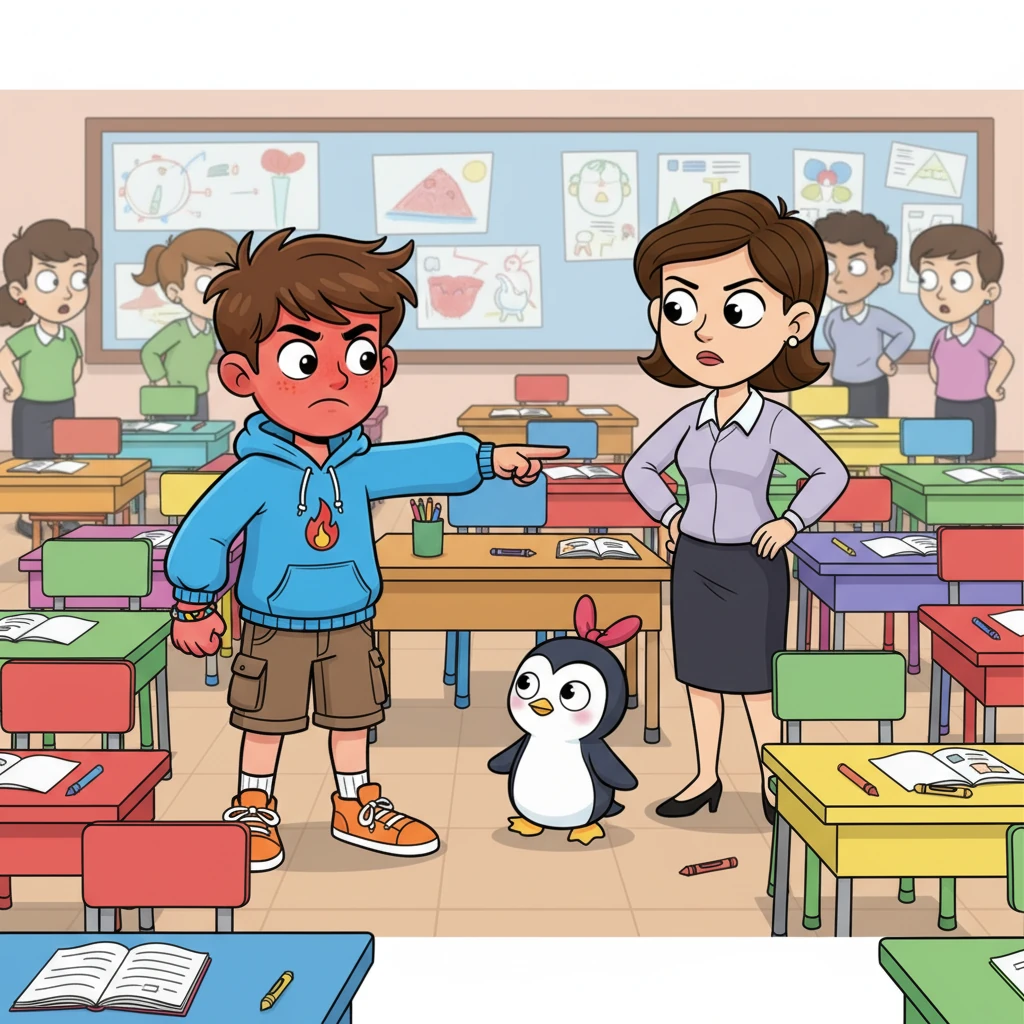
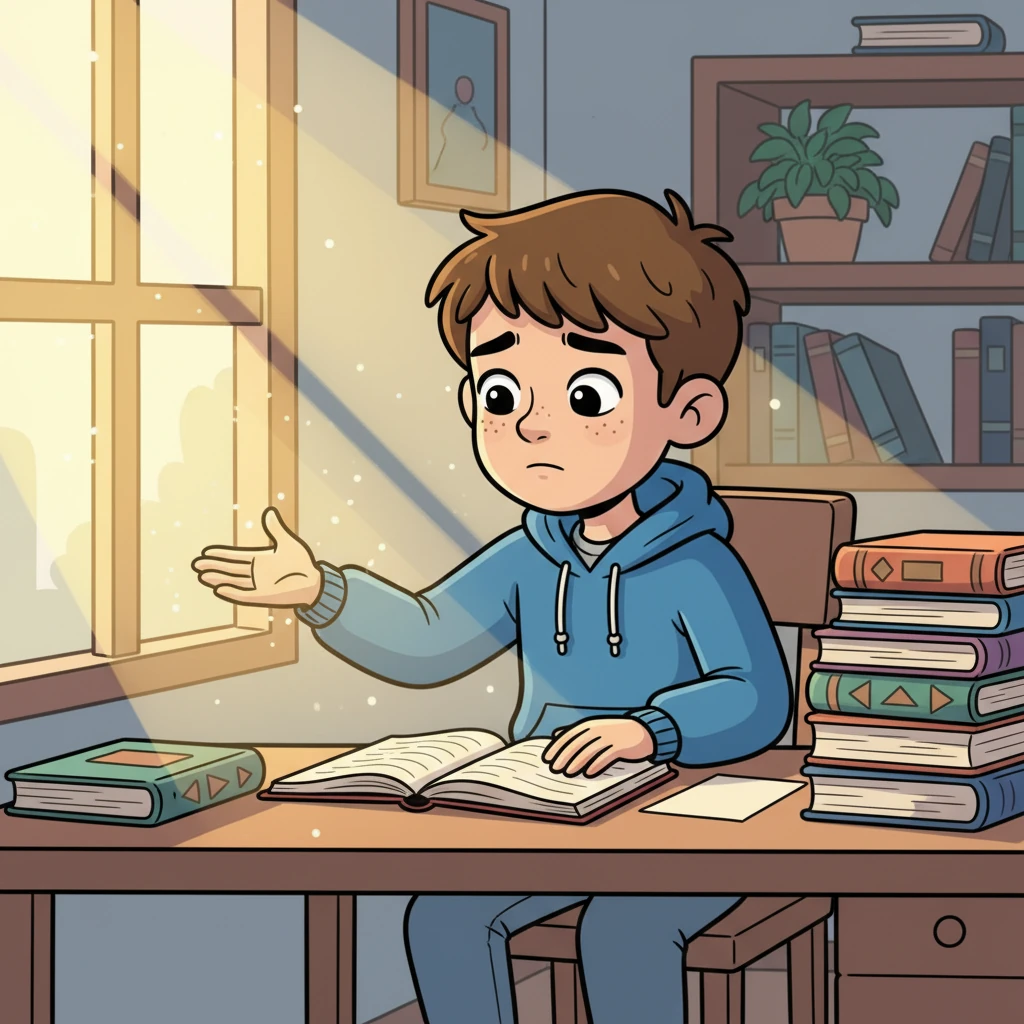
Follow Adam's journey as he faces the sting of failure and the harsh glare of online judgment. This heartwarming story explores themes of resilience, forgiveness, and the power of self-belief, reminding us that true victories are found within. Experience the emotional rollercoaster of Adam's struggle and triumph in this inspiring tale of perseverance.
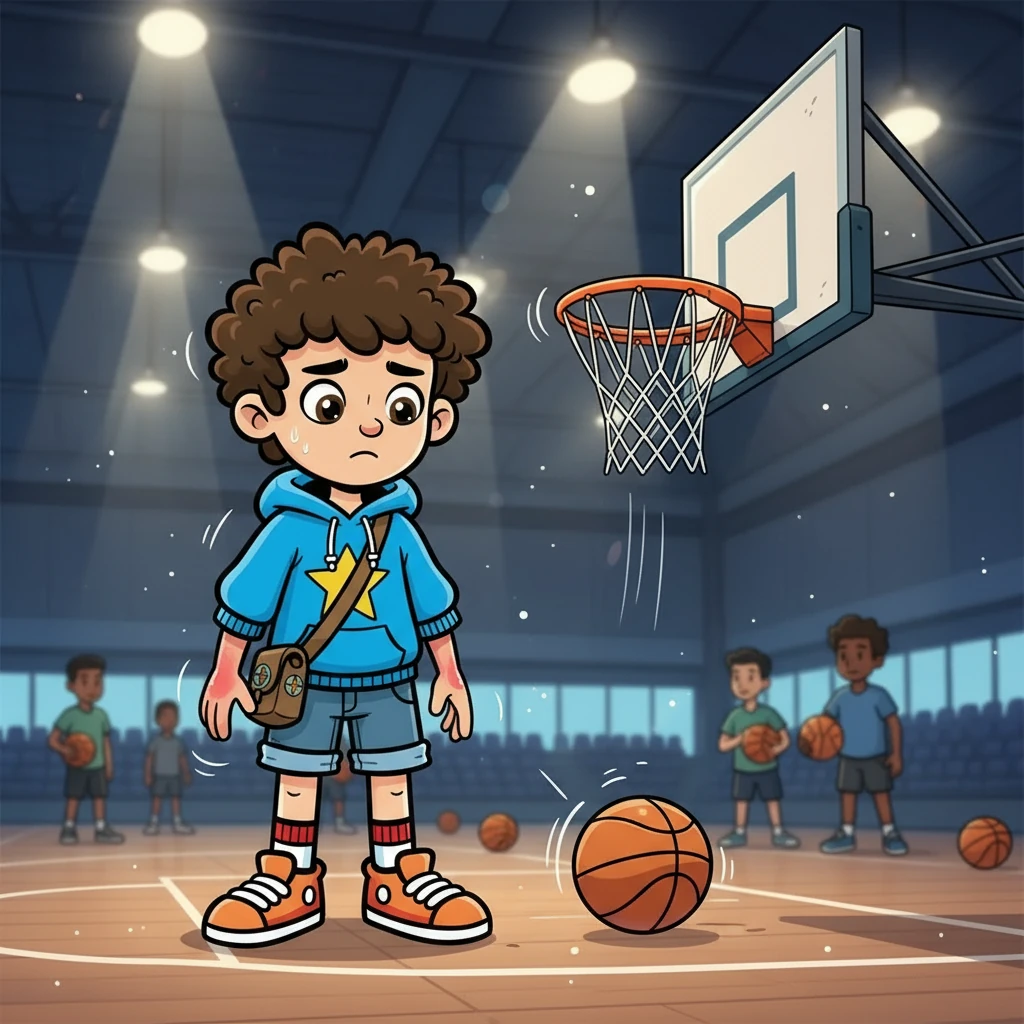
The echo of basketballs striking the gym floor filled the air — thump, thump, thump — a heartbeat that pulsed through the walls of the school. The air smelled of rubber and sweat, of nerves and ambition. Light from the tall gym windows spilled across the court, cutting sharp lines across the wooden floor. This was the place where dreams took shape — and sometimes, where they shattered. Adam’s hands were trembling. The tryouts had stretched on for hours, each drill testing more than skill — it tested worth. He caught the ball, his fingers slick with sweat. The clock ticked down, its sound like thunder in his chest. He took the shot. The ball arced through the air — for a second, time slowed — and then it clanged off the rim, rolling away with a hollow echo. Silence. Then came the laughter. “You’re trash!” a voice shouted, cutting through the stillness. Another followed. Then another. Someone pulled out their phone, capturing the moment like it was a comedy show. The ball that had rolled away now sat still, as if ashamed. Adam’s cheeks burned. He wanted to vanish. He forced a smile, trying to laugh it off, but inside, something cracked. He didn’t know it yet, but that moment — that single miss — would live longer than it should have. By evening, it was everywhere. The video had been posted online. Caption: “Future NBA Star 😭😭 #TrashShot” The comments were worse than the laughter. They turned him into a joke, a meme, a hashtag. The world behind a screen had no face, no conscience. Just a thirst for someone else’s embarrassment. He sat on his bed that night, the blue glow of his phone reflecting on his face. The laughter echoed in his mind, looping endlessly. Maybe they’re right, he thought. Maybe I’m not good enough. He tossed the phone aside, but the silence was worse than the sound. Adam wasn’t fighting his teammates anymore — he was fighting himself. His confidence, once bright as the gym lights, flickered dim. That was his internal conflict — the war between self-belief and self-doubt. Still, the next day, he showed up early. The gym was empty, quiet except for the low hum of the lights. He picked up the ball and started shooting. Again. Again. Again. He missed. Then again. And again. His hands blistered, his legs ached, but he refused to stop. Each miss was a bruise, but each bruise became a lesson. After weeks of silent practice, his movements began to change. The ball no longer slipped; it listened. It obeyed. He found rhythm where there had once been chaos. He was rebuilding himself — not just as a player, but as a person. One late afternoon, Coach Daniels walked in. He watched quietly as Adam shot over and over. “You’ve been here every day after hours,” the coach said finally, his voice deep but not unkind. “Why?” Adam hesitated. “Because I want to remember what failure feels like,” he said. “It reminds me that I still care enough to try.” The coach nodded slowly. “That’s the heart of a real player.” A few days later, during the final tryout scrimmage, Adam sat on the bench, waiting. The team was down by two. Thirty seconds left. Then Coach Daniels looked at him. “You’re in.” The gym blurred as Adam stood. The crowd’s murmurs sounded like waves crashing in his ears. His heart pounded. When the ball came to him, time seemed to stop — just as it had before. But this time, something was different. He didn’t see the phones, the faces, or the laughter. He saw the empty gym at sunrise, the echoes of his own footsteps, the thousands of shots no one had clapped for. He took the shot. The ball spun through the air, a perfect curve of light and hope. Swish. The buzzer blared. The crowd erupted. His teammates swarmed him, cheering. Someone slapped his back, shouting, “You did it, man!” The same mouths that once mocked him now spoke praise — but Adam wasn’t thinking about them. He was thinking about the boy who refused to give up when the world turned its back. Later, one of the teammates — the one who’d posted the video — walked up to him, his face sheepish. “Hey… about that post. I deleted it. I shouldn’t have done that.” Adam looked at him for a long moment, then smiled softly. “You know,” he said, “I used to hate that video. But now, I think I’m grateful for it.” “Grateful?” the boy asked, confused. “Yeah. Because it taught me something — that you can’t control what people say about you. But you can control what you do next.” The teammate nodded, eyes lowered. “I’m sorry.” “I know,” Adam said, “and I forgive you.” The words hung in the air — light, but powerful. Forgiveness wasn’t weakness; it was freedom. That night, Adam went home and watched the old video one last time. He didn’t feel anger anymore — only understanding. He saved it, not as a wound, but as a reminder: that failure doesn’t define you — perseverance does. He closed his phone, looked at his reflection in the window, and smiled. Outside, the city lights shimmered like stars. For the first time in a long while, he realized that even when people tried to dim your light, it still found a way to shine. Moral & Reflection Teasing becomes bullying when laughter turns into cruelty — when people forget that behind every joke is a human being with feelings. In a world where everything can be recorded, posted, and shared, kindness is the rarest kind of courage. The story of Adam isn’t just about basketball — it’s about learning that the truest victories aren’t the ones won on the scoreboard, but the ones fought quietly inside your heart. Because in the end, it’s not about being the best on the team — it’s about being the best kind of teammate.