Jay's Democracy Trip: Is the UK Having a Participation Crisis?
MMu Ryan
Not enough ratings
Story Description
Join Jay, a curious teenager, on an eye-opening journey through the world of UK democracy! This captivating story explores the reasons behind declining participation, revealing the importance of voting, party membership, and active citizenship. Discover how your voice can shape the future in this engaging and informative adventure.
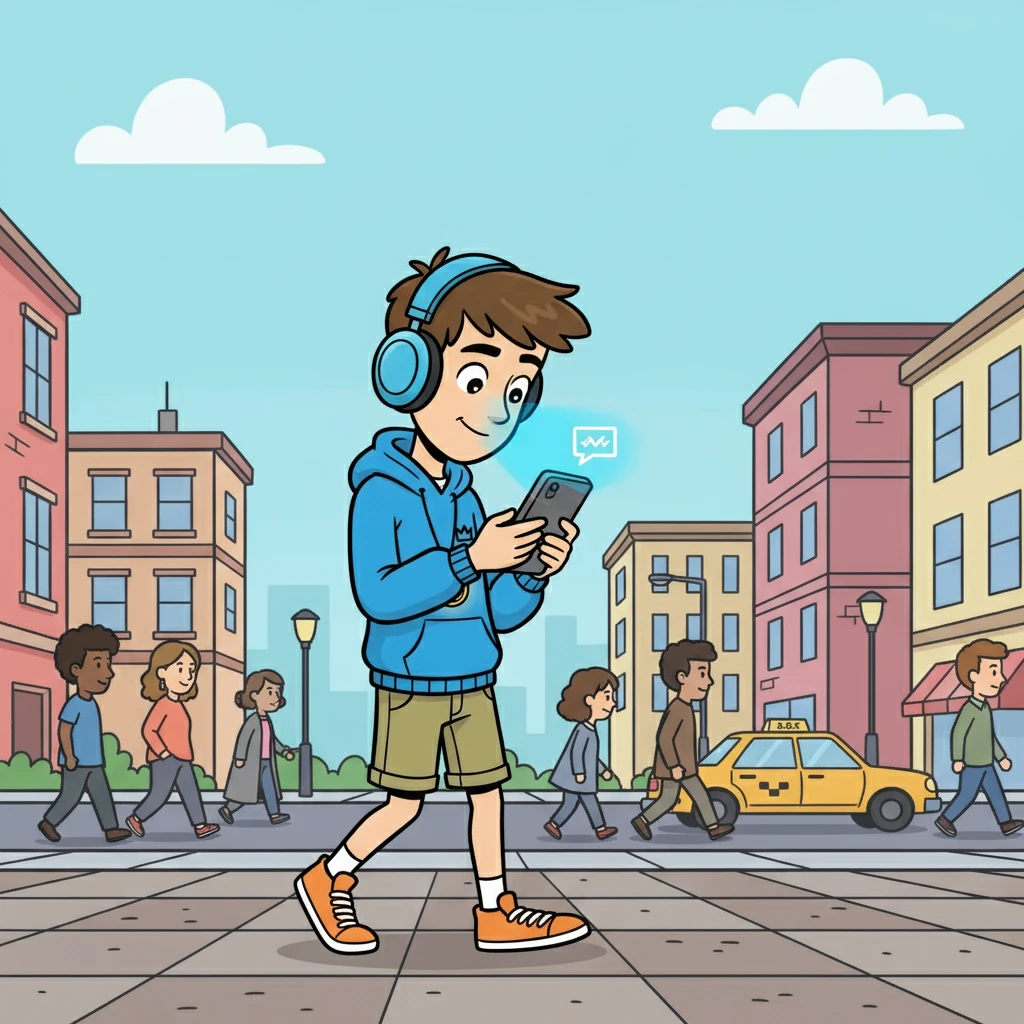
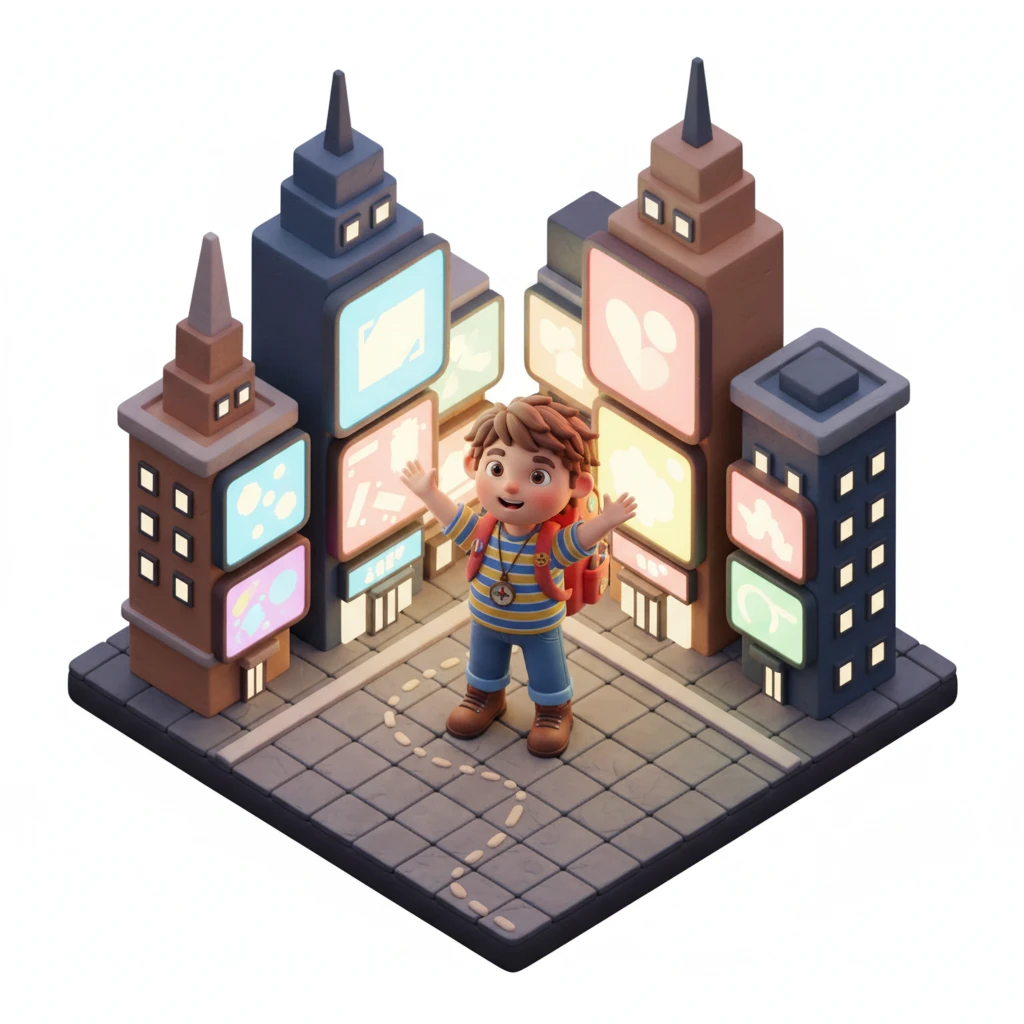
Title: “Jay’s Democracy Trip: Is the UK Having a Participation Crisis?” Page 1 – Opening Narrator: Jay is 17. He lives in a busy city block, headphones always on, hoodie up. One night, while scrolling his phone and side-eyeing election ads he really didn’t care about, his phone screen suddenly glitches. Phone Screen (glowing): “You have been selected to understand UK democracy. Time travel initiating.” Jay: “Ayo—nah, what?!” Visual Recall Aid: A cracked phone glowing—represents being forced to look at democracy. ⸻ Page 2 – What Is a Participation Crisis? Jay floats into a giant hall filled with doors. Each door has a label: Voting, Joining Parties, Petitions, Protests. A guide appears: a floating talking clipboard named Clip. Clip: “A participation crisis means too few people use the official ways to give government permission to rule. Mainly: voting and joining political parties.” Jay: “So like… people don’t show up, and then the government’s like running the group chat without the group?” Clip: “Exactly. And that weakens the mandate—meaning how much authority a government can claim.” Visual Recall Aid: Hall of doors = different participation channels. The Voting and Party Membership doors are cracked/weak. ⸻ Page 3 – Elections & Turnout Are Dropping Jay steps into a movie screen showing turnout numbers. Clip: “After World War II, turnout used to be around 76%. But in 2024, it was only 59.8%.” Crowd fades away until only a few voters remain. Jay: “Damn… that’s like nobody showing up to vote for class reps.” Clip: “Local and devolved elections are even worse. Senedd 2021: 46.6% Scottish Parliament 2021: 63.5%.” Then two crowds appear—old voters and young voters. The older group is way bigger. Clip: “65+ turnout is about 25 percentage points higher than 18–24-year-olds. So policies skew towards older people.” Jay: “So we losing just because we ghosting the ballot?!” Visual Recall Aid: Two crowds: huge gray-haired crowd vs tiny teenagers—shows turnout gap. ⸻ Page 4 – But When People Care, They Show Up Suddenly Jay is in Scotland in 2014—crowds everywhere, flags, energy. Clip: “Scottish Independence Referendum turnout: 84.6%.” Then the scene shifts to 2016 Brexit referendum. Clip: “EU Referendum turnout: 72.2%.” Jay: “So it’s not that we don’t care about politics. We just don’t care when it looks boring?” Clip: “Correct. That’s called hapathy—people not caring because they feel things are fine. But it still doesn’t explain why turnout stayed low in 2010 and 2024.” Mini-Judgement: Even with big referendums, regular election turnout is too low → crisis remains. Visual Recall Aid: Fireworks for Scotland/Brexit turnout to show interest spikes. ⸻ Page 5 – Party Membership Jay now stands in front of two giant party buildings: Labour and Conservative. They look dusty and empty. Clip: “Only 1.6% of the public are party members now. In 1983, it was 3.8%.” Jay: “So nobody wants to join teams anymore?” Clip: “Yes, and even Labour fell from ~500k members to ~370k.” Crowds briefly surge—Labour 2015 £3 sign-ups, post-indyref SNP rise, Reform UK crowds—then collapse again. Clip: “These surges don’t last. And in 2024, Labour + Conservative together only got 57.4% of the vote. Attachment to major parties is weak.” Mini-Judgement: Membership is structurally low → weak citizen–party link → crisis. Visual Recall Aid: Party buildings deflate like balloons. ⸻ Page 6 – Protests, Pressure Groups, E-Petitions Jay now stands among crowds protesting Gaza, holding signs. Then a giant digital screen shows petition numbers: • Revoke Article 50: 6 million • Winter Fuel Payments petition: 590,000+ Clip: “People are active, just differently. Protests and pressure groups can push policy. Example: some UK arms export licenses to Israel were suspended Sept 2024 due to pressure.” Jay scrolls petitions on a huge phone. Clip: “But many are low-effort ‘slacktivism’. Petitions and protests don’t give power. They don’t assign who governs. Without voting, there is no mandate—no consent.” Mini-Judgement: Informal participation ≠ official legitimacy → crisis stays. Visual Recall Aid: A giant phone with people tapping → symbolizes low-cost activism. ⸻ Page 7 – Conclusion Jay returns to the hall of doors. The Voting and Party Membership doors flicker weakly. The Petitions and Protests doors glow brightly. Clip: “Participation hasn’t disappeared. It moved. But the channels that create mandates—voting and party membership—are in decline. So yes, UK democracy is in a participation crisis.” Jay: “So basically… if we don’t show up, democracy becomes like a group chat where the quiet people still get decisions made for them.” Clip: “Exactly.” Visual Recall Aid (Final Memory Image): Hall of doors → Voting door cracked → Protest door neon bright.